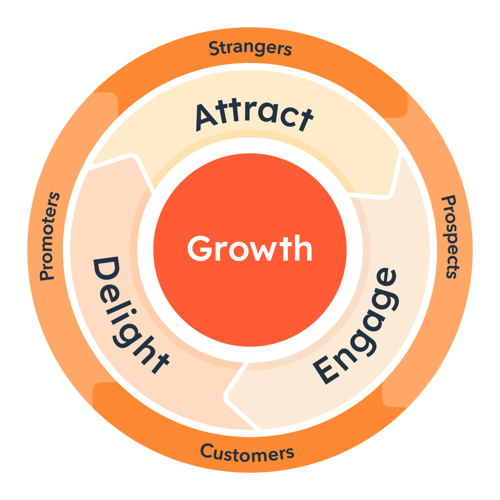
How Inbound Marketing Transforms Brand Loyalty
Inbound marketing plays a critical role in transforming brand loyalty by focusing on building relationships rather than just pushing products. This method attracts customers through valuable content, which addresses their specific needs and interests. As businesses create informative blogs, engaging videos, and helpful resources, they position themselves as thought leaders in their industry. This not only fosters trust but also encourages potential customers to return, enhancing their loyalty to the brand.
Moreover, inbound marketing enables brands to engage with their audience in a more personalized manner. By utilizing data analytics and customer feedback, companies can tailor their marketing strategies, ensuring that customers feel valued and understood. When brands effectively respond to customer needs and preferences, it cultivates a strong sense of loyalty. In fact, a loyal customer is likely to recommend the brand to others, amplifying its reach and further solidifying its presence in the market.
The Essential Guide to Building Brand Relationships Through Inbound Marketing
In today's digital landscape, building brand relationships is crucial for long-term success, and inbound marketing is a foundational strategy for achieving this goal. Unlike traditional marketing methods that rely on push tactics, inbound marketing focuses on attracting customers through valuable content and experiences. By leveraging techniques such as SEO, social media engagement, and personalized email campaigns, brands can create meaningful connections with their audience. This approach not only fosters trust and loyalty but also encourages customers to act as brand advocates, further expanding the reach and impact of your marketing efforts.
To effectively implement an inbound marketing strategy for brand relationship building, consider the following steps:
- Understand Your Audience: Conduct thorough research to identify your target market's needs, pain points, and preferences.
- Create Valuable Content: Develop content that addresses the interests and challenges of your audience, making it informative, engaging, and shareable.
- Leverage Social Media: Use social media platforms to interact with your audience, share insights, and foster a sense of community.
- Measure and Adapt: Regularly analyze your inbound marketing efforts to understand what resonates with your audience and make adjustments as needed.
Is Your Brand Missing Out? The Impact of Inbound Marketing on Customer Engagement
Inbound marketing has revolutionized the way brands engage with their customers. Unlike traditional marketing methods that often interrupt consumers with ads, inbound strategies focus on attracting potential customers through valuable content and experiences. This approach not only boosts brand visibility but also fosters a sense of trust and loyalty among the audience. Brands that leverage inbound marketing techniques, such as content creation, social media engagement, and SEO, can significantly enhance their customer relationships and drive meaningful interactions.
Failing to adopt inbound marketing can leave brands behind in today's competitive landscape. The impact of this marketing strategy extends beyond mere customer acquisition; it also enhances customer engagement and retention. By providing relevant content that addresses the needs and interests of their audience, brands can create a more personalized experience. As customer expectations evolve, brands that embrace inbound marketing are better positioned to connect with their audience, resulting in higher engagement rates and, ultimately, increased sales and brand loyalty.